Articles & Records

Published work first. Forthcoming work clearly labelled.

This page separates complete, accessible EGP records from editorial subjects still being researched, written, or prepared for publication.

Published and available

Open the complete records.

New microscopy study

An elongated gas bubble in synthetic ruby: why one feature is not enough

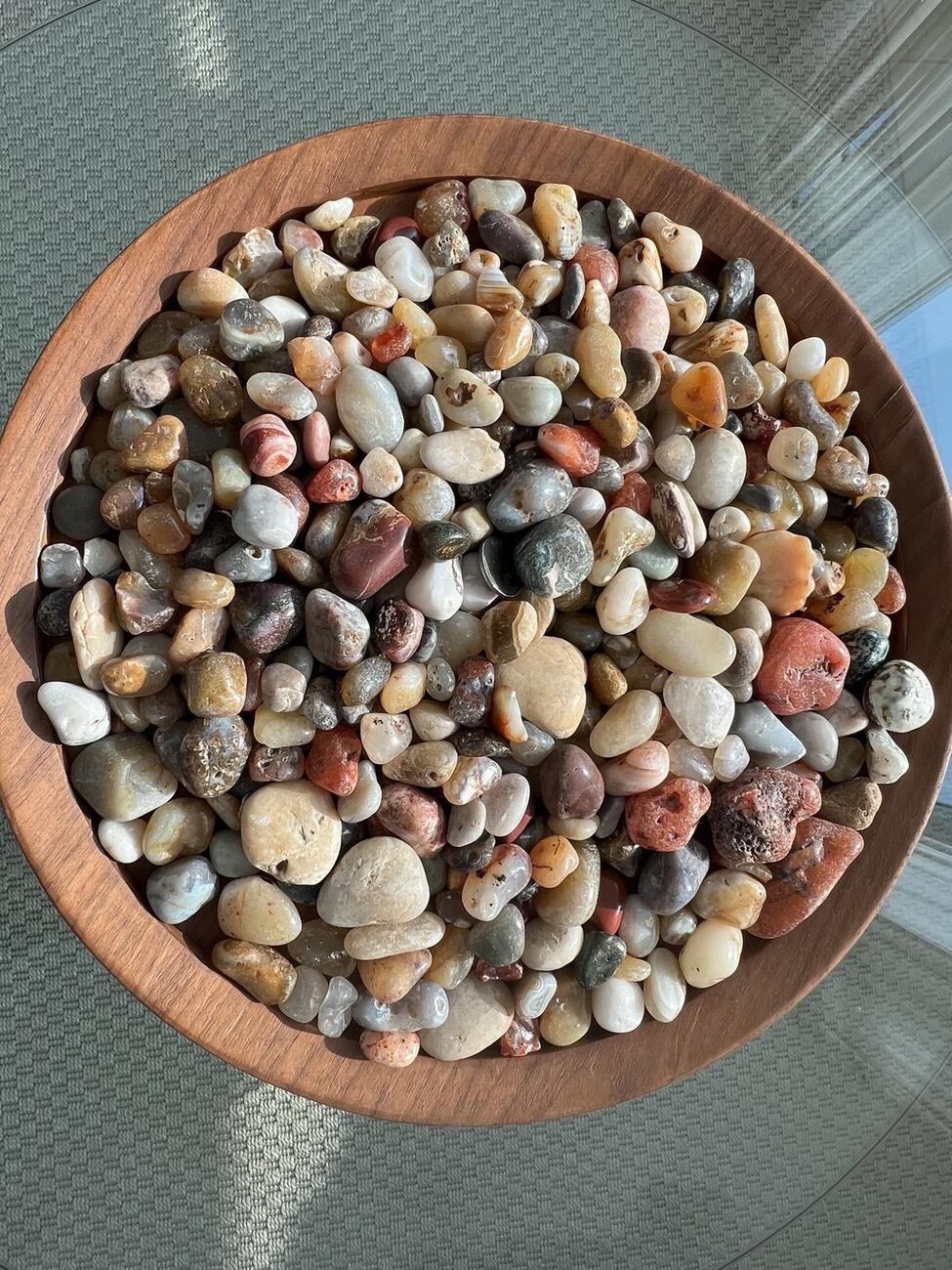
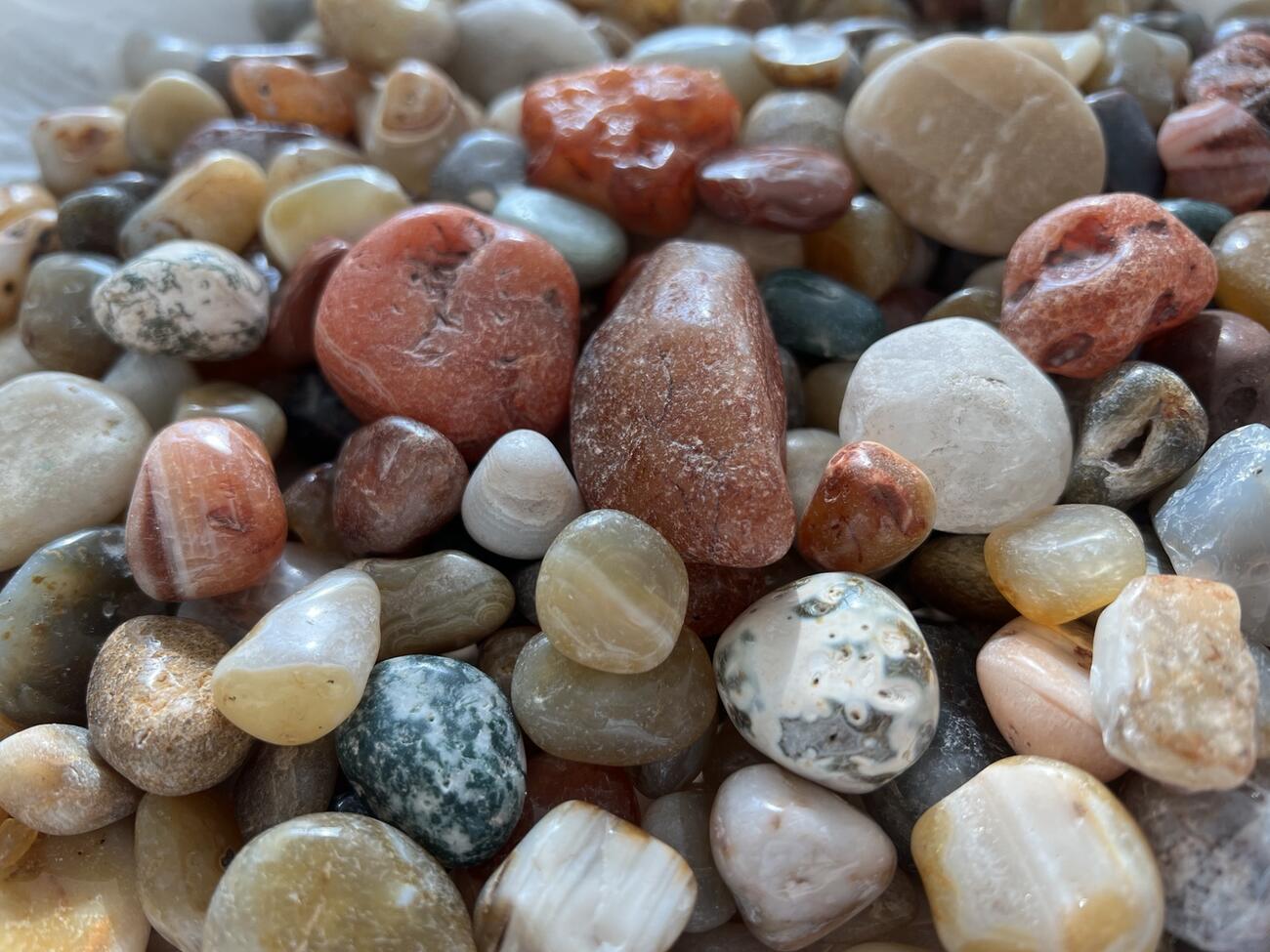
This EGP microscopy record documents an elongated, torpedo-shaped gas bubble in a specimen recorded as synthetic ruby. In flame-fusion corundum, gas bubbles may be trapped during rapid, low-pressure growth; however, a responsible identification must also consider curved striae, colour banding, other inclusions, and standard gemological testing.

Observed feature: A lengthened cavity with a fuller rounded end and a tapered end—the form commonly described as a torpedo-shaped gas bubble.

Interpretive limit: The photographs document the internal feature only. They do not, by themselves, constitute a laboratory report or independently prove the growth method.

Scientific context: GIA has described gas bubbles and curved striae among characteristic internal features encountered in flame-fusion synthetic corundum. Read the GIA reference

Elongated torpedo-shaped gas bubble in a specimen recorded as synthetic rubySecond microscopy view of the elongated internal feature
Figures 1–2. Elongated, torpedo-shaped gas-bubble feature. Photomicrography and EGP archive record: Eman Galeb Hamza. This documentation is educational and not a standalone laboratory report.

Agate 🌺

A preliminary descriptive record of a raw agate collection from Yemen: chalcedony diversity and siliceous textures

The collection consists predominantly of fine-grained siliceous materials within the agate and chalcedony range, with opaque and multicoloured specimens that may be described visually as jasper or impurity-rich siliceous rock.

This reading does not rely on colour alone. It distinguishes transparency, banding, internal texture and the character of the raw surface. Its purpose is not to give a final name to every pebble, but to present a preliminary descriptive record of the collection.

🎬 Red agate and possible carnelian

Here we observe red and orange to reddish-brown specimens, some partially transmitting light. This range may be described preliminarily as red agate or possible carnelian. These colours are commonly associated with finely dispersed iron compounds in chalcedony, with variation in concentration and transparency.

🎬 Banded agate

Some pieces show successive white, grey, red or brown bands. This banding is an important structural feature of agate, recording successive silica deposition within cavities or rock fractures. The commercial or mineral name of each pattern still requires individual direct examination.

🎬 White, grey and blue-grey chalcedony

The collection includes milky, white, grey and blue-grey specimens of varying transparency. These colours fall within the chalcedony range and may be affected by fine material structure and microscopic impurities. A single image cannot assign the colour to a specific chemical element.

🎬 Yellow, honey and brown

Yellow, honey and brown pieces range from translucent to semi-opaque. They represent natural gradations within agate and chalcedony, and iron compounds are likely to contribute substantially to their colour, without assigning a detailed chemical composition before testing.

🎬 Green, dark and opaque stones

As visible in the collection, olive-green, grey and black specimens occur alongside opaque red and brown pieces. They may be impurity-rich chalcedony, jasper or other fine-grained siliceous materials. It is therefore not correct to assign all of them to agate without independent examination.

🎬 Mottled and orbicular patterns

Some pieces carry rounded spots, mottled texture and local colour variation. These features may indicate differences in silica deposition or internal mineral impurities, giving the collection educational value for studying the relationship between colour, texture and structure.
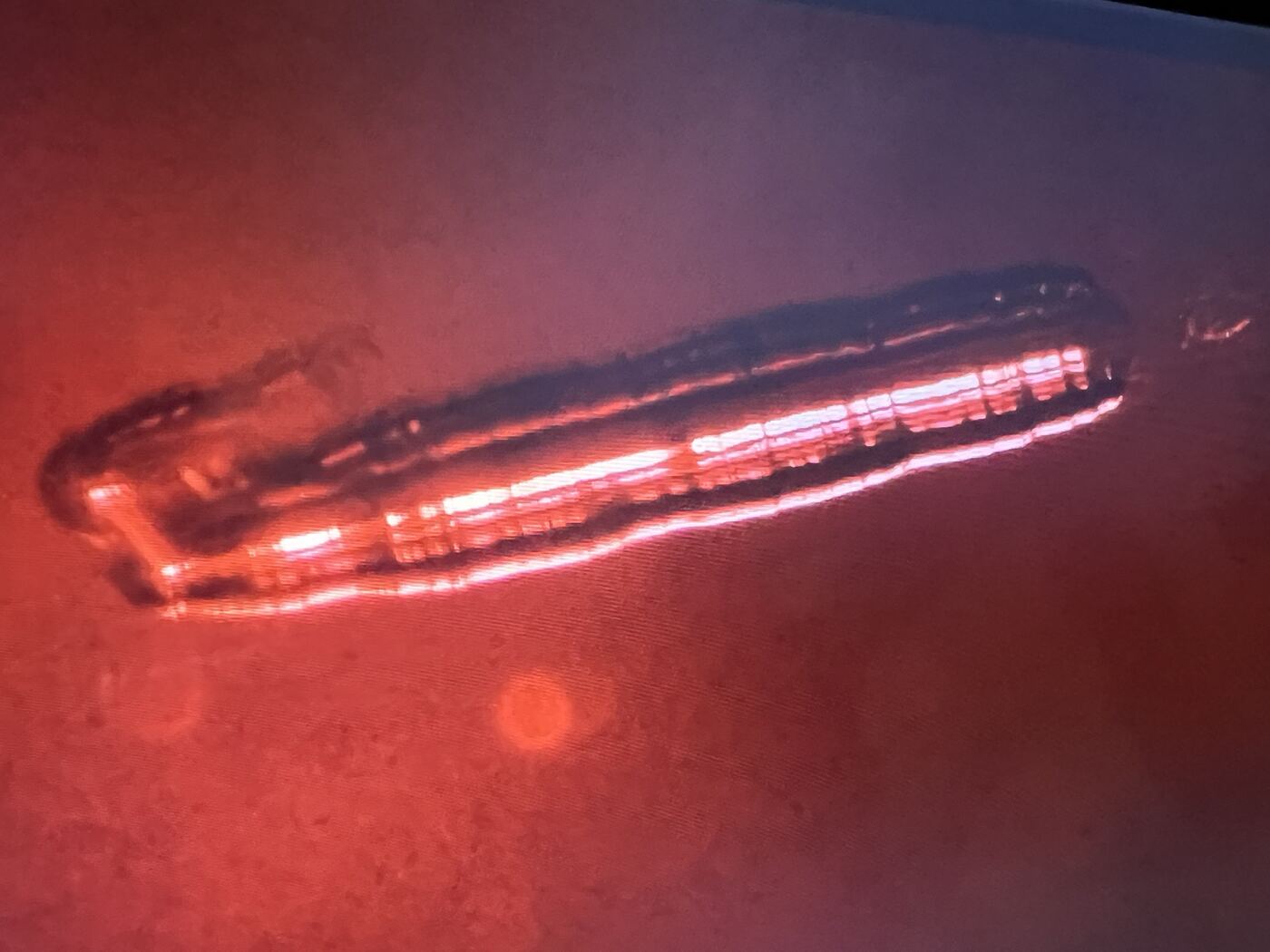
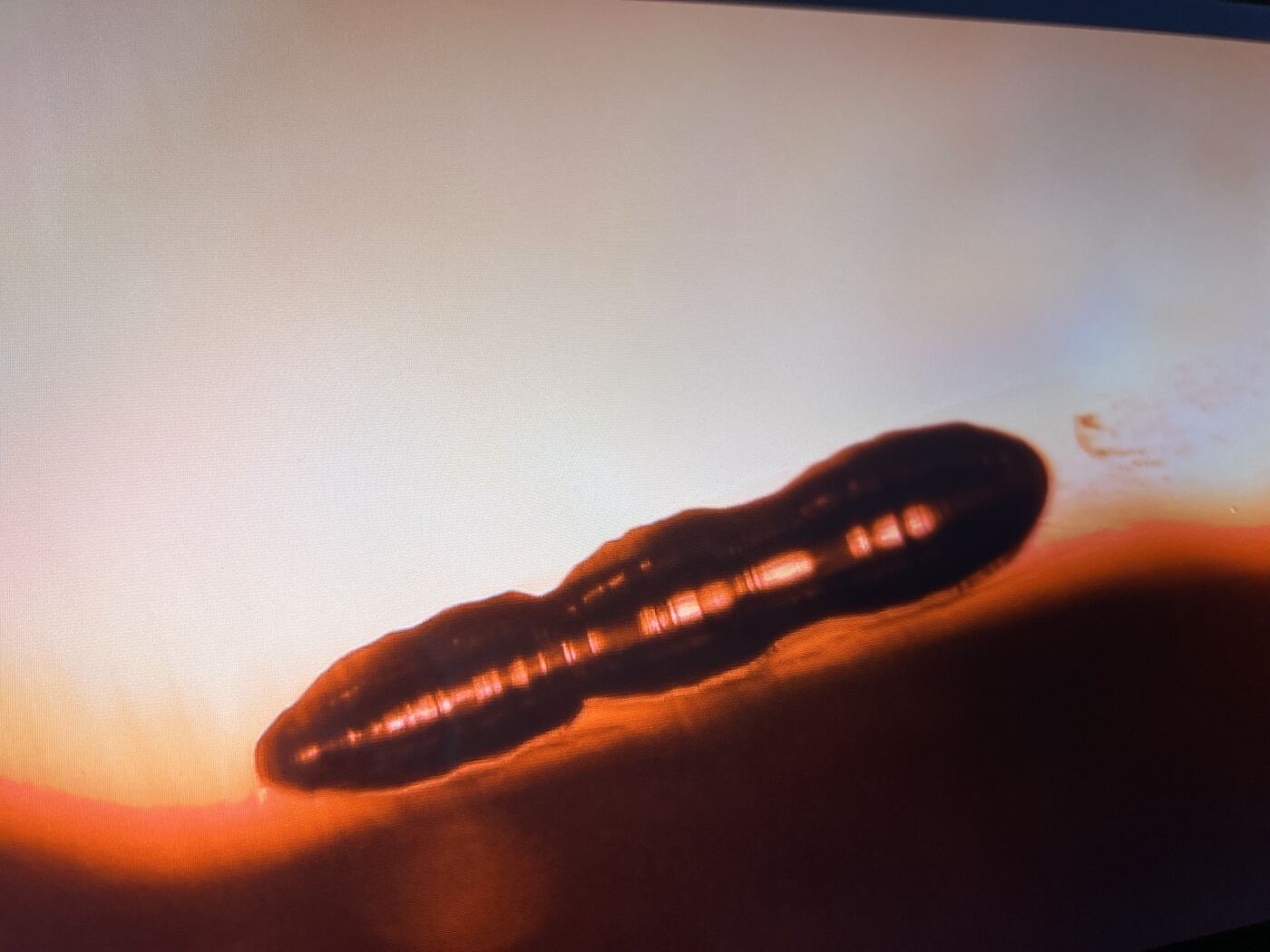
Raw agate collection from Yemen displayed in an EGP archive bowlClose field view showing banded, translucent and opaque raw agate material from Yemen
Figures 1–2. Raw agate collection from Yemen. Colour and texture study; photography and archive record: Eman Galeb Hamza / EGP™.

Editorial roadmap

In preparation — not yet published.

  • Microscopy

    In preparation

    Natural Ruby and Sapphire vs Verneuil Corundum

    A careful comparison of curved growth striae, gas bubbles, natural inclusion assemblages, and the limits of single-feature identification.

  • Stone art

    In preparation

    Van Gogh in the Memory of Stone

    An artistic reading of natural stone patterns that recall the movement and radiating forms of Van Gogh’s paintings, clearly separated from gemological identification.

  • Documentation

    In preparation

    Photomicrography as a Scientific Record

    How lighting, scale, specimen identity, capture notes, and cautious captions turn an image into useful documentation.

  • Ethics

    In preparation

    Disclosure Is a Scientific Act

    Why treatment, synthesis, limitations, and levels of certainty must be disclosed in education, consultation, and trade.