The Founder
Eman Galeb Hamza
Gemologist, author, and researcher — the founder of EGP and the intellectual architect of its scientific ecosystem.

“Every gem carries a truth. Our role is only to listen carefully enough to recognise it.”
Eman Galeb Hamza is a gemologist whose life's work is devoted to the disciplined study of minerals — their formation, their optical behaviour, their inclusions, and the ethical questions raised by their trade. She approaches gemology not as commerce but as a natural science: rigorous, patient, and answerable to evidence.
Her work combines classical mineralogy, photomicrography, and an awareness of laboratory methods. She is developing scientific writing and educational material intended to serve both specialists and serious students, with particular emphasis on making high-quality gemological knowledge available in Arabic — a gap she considers essential to close.
She founded the EmanelleGrace Gemological Platform to consolidate her research, teaching, and publishing under one scientific standard, and to build a scientific ecosystem that can outlive any single career. EGP is her instrument for that longer horizon.
Areas of focus
- Inclusion analysis and origin awareness
- Treatment and synthetic-material awareness
- Photomicrography of colored stones
- Gemological education in Arabic and English
- Artificial intelligence for gemological reasoning (concept in development)
- Preservation of classical gemological literature
Vision
She believes gemology is entering a new century — one in which scientific integrity, open publishing, and computational tools will define the credibility of every laboratory and every report. EGP is being built to contribute to that century on scientific terms.
Professional Standing
Independent Gemologist
Gemology Researcher
Author
Professional Educator
Founder of EGP
Founder of EGP Consultancies
From My Gemological Archive
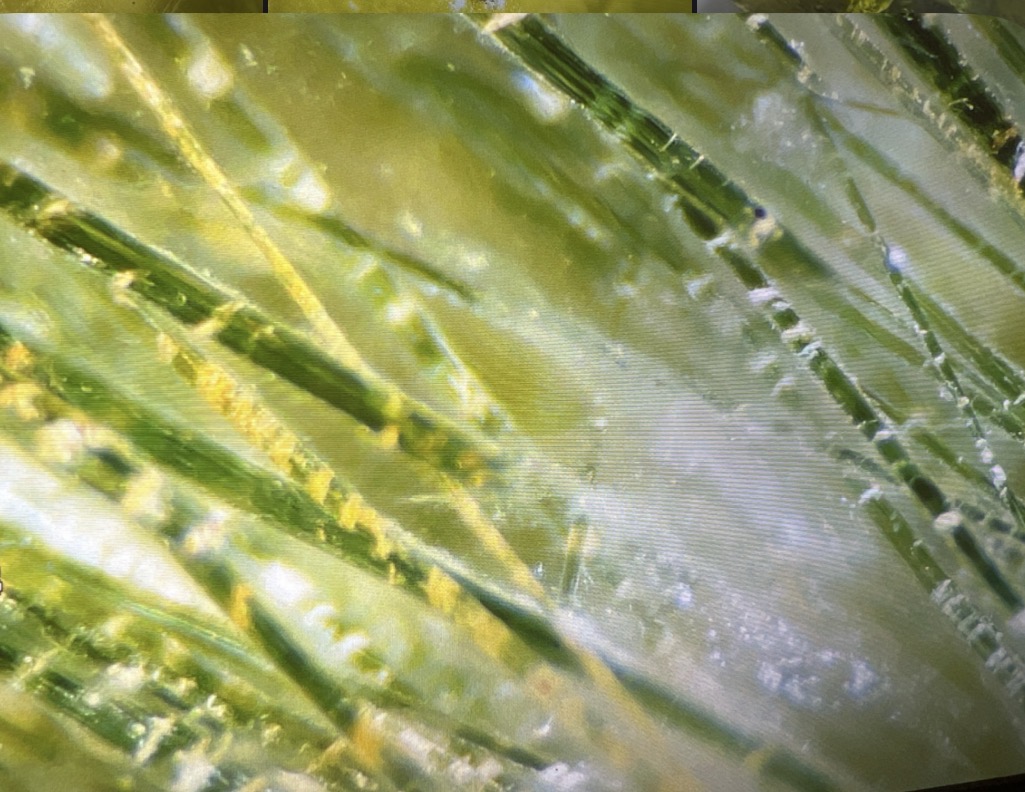
General microscopic view showing a group of elongated green rutile crystals enclosed within quartz, with a clearly visible linear distribution of the inclusions in the host.
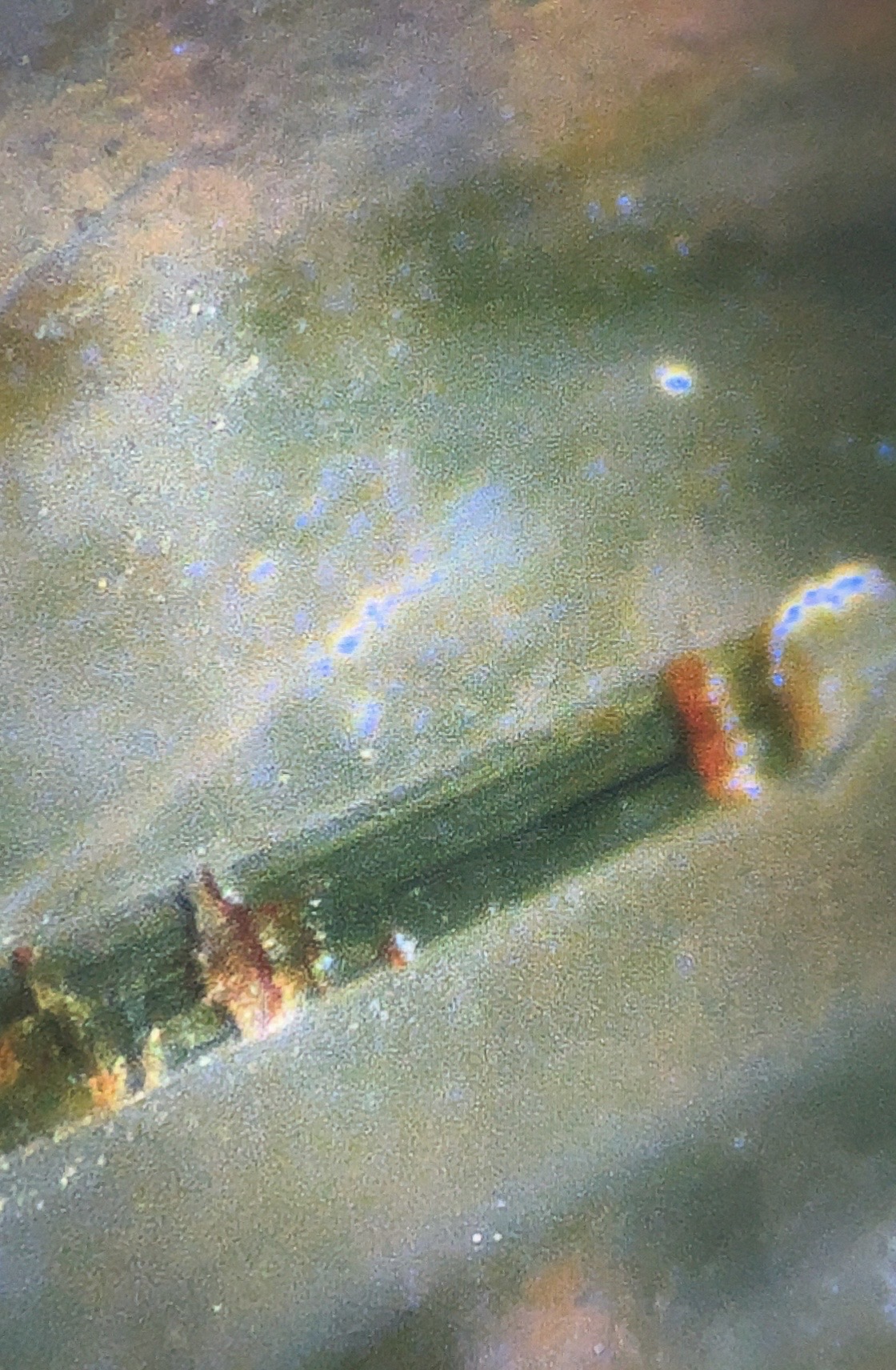
Closer microscopic detail showing an elongated green rutile crystal within quartz, highlighting the acicular form and the crystalline boundaries of the internal inclusion.
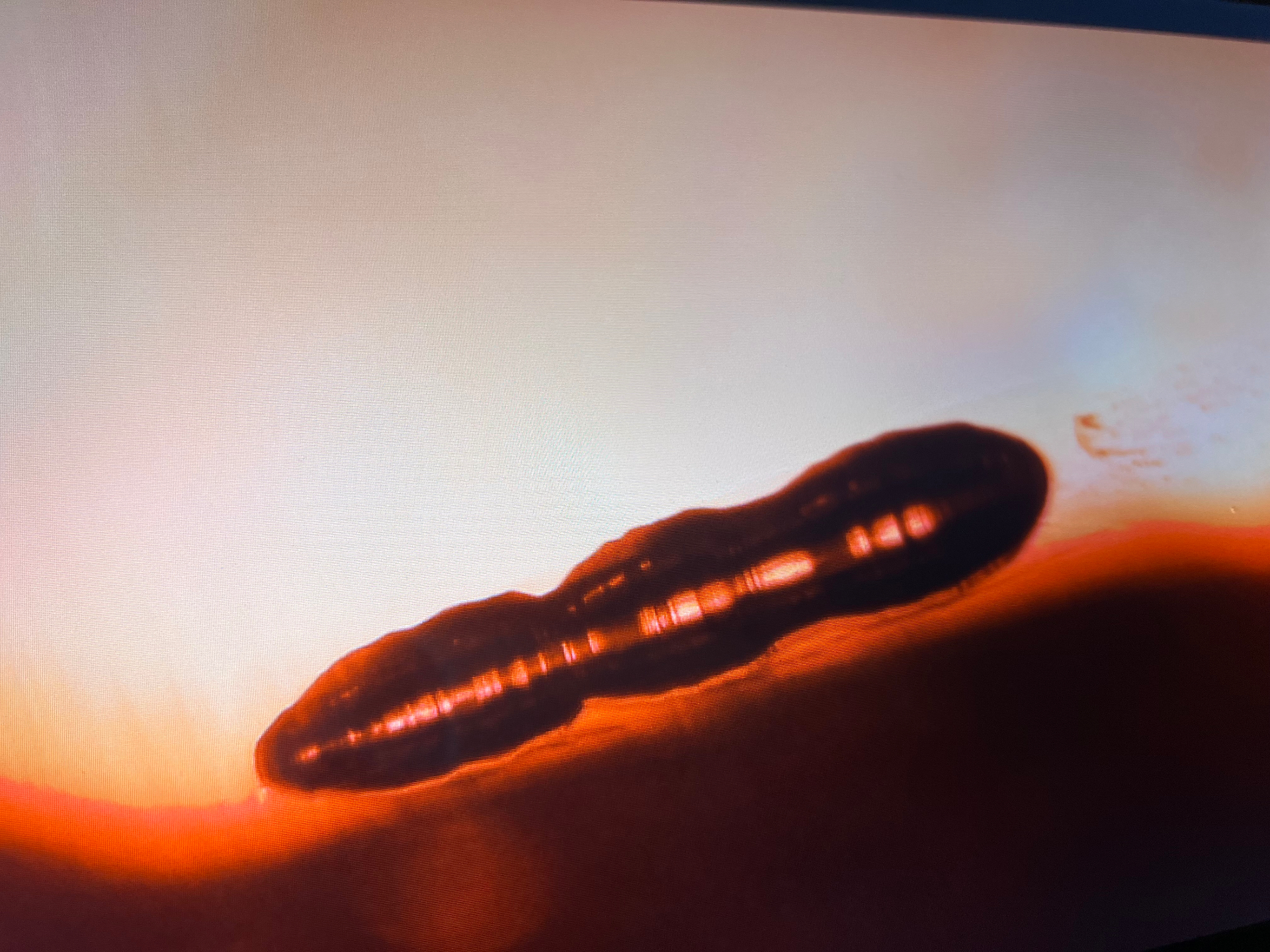
Microscopic view of a synthetic ruby showing an elongated tubular internal feature, with its morphology clearly visible under transmitted light during gemological examination. The feature is documented as an internal characteristic of the specimen without assigning a specific formation mechanism from visual evidence alone.